The short answer
Trongsa sits in the centre of Bhutan, about 200 km east of Thimphu, on a ridge above the Mangde Chhu gorge. Its huge dzong once controlled the only east-west road, and the town is where the Wangchuck family rose to lead Bhutan. Plan one full day for Trongsa Dzong, the Ta Dzong museum and nearby sights; it also makes the natural overnight stop between Punakha and Bumthang.
By tradition the Crown Prince first serves as Trongsa Penlop (governor) before becoming King, which shows how important Trongsa has always been.
Top things to do
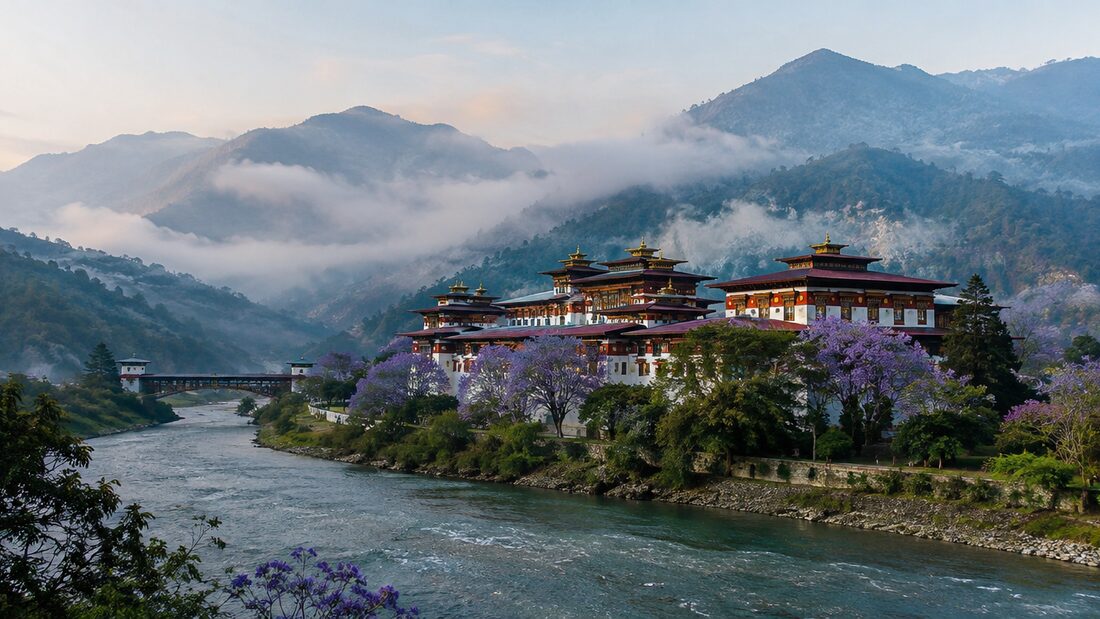
- Trongsa Dzong: the first temple here was founded in 1543, and the dzong was completed in 1644. It steps down the ridge in a maze of courtyards, temples and corridors and is one of the most impressive dzongs in the country.
- Ta Dzong: a round watchtower above the dzong, now a museum about Bhutan's history and the monarchy, with a chapel inside. The view down to the dzong is the classic Trongsa photo.
- Kuenga Rabten: a palace about 23 km south of town, used as a winter residence by the second King. The drive passes farms and small villages.
- Chendebji Chorten: on the road from Pele La, a large white stupa built in the 18th century in the style of the great stupas of Kathmandu. A good stop to stretch your legs.
- Nabji-Korphu trek: a low-altitude community trek south of Trongsa through villages and forest, good in winter when high treks are closed. Book with a licensed operator; local villages earn from campsite and guide fees.
- Trongsa town: a small, friendly main street with views across the gorge, simple restaurants and shops.
Festivals in late 2026
- Goenpai Drupchen at Trongsa Dzong: 14 to 16 November 2026 (tentative).
- Trongsa Tshechu at Trongsa Dzong: 17 to 21 December 2026, with the thongdrel (giant thangka) shown on the last day (tentative).
- Nabji Lhakhang Drup at Nabji village: 24 to 26 December 2026 (tentative).
- All dates come from the Department of Tourism's tentative 2026 calendar and follow the lunar calendar, so check again close to the date. Dress in your best gho or kira, or modest long clothing as a visitor, and follow the guide's lead on where to sit and when photos are allowed.
Getting there
- From Thimphu: about 200 km along the Lateral Road via Dochula, Wangdue and Pele La (about 3,400 m), usually 6 to 7 hours. Road works and weather can add time.
- From Bumthang: about 68 km east, roughly 2.5 to 3 hours over Yotong La.
- Trongsa sits at about 2,200 m, so days are mild and nights cool. Winter mornings can be frosty on the passes.
- International tourists travel with a licensed tour operator and pay the Sustainable Development Fee (currently US$100 per adult per night until 31 August 2027). Indian nationals pay a separate lower fee; Bhutanese citizens pay none.
Stay and support local
Trongsa has hotels and guesthouses in town and along the road, many with views of the dzong. Book early around the December Tshechu. If you run a hotel, homestay, restaurant or tour business in Trongsa, you can list it free on Dragon. Local people also offer lessons and services on Dragon, such as Dzongkha teaching.
Questions people ask
How far is Trongsa from Thimphu?
About 200 km, usually 6 to 7 hours by road over Dochula and Pele La.
When is the Trongsa Tshechu in 2026?
The tentative date is 17 to 21 December 2026 at Trongsa Dzong, with the thongdrel on the last day.
What is Ta Dzong in Trongsa?
A watchtower above Trongsa Dzong that is now a museum about Bhutan's history, with a chapel inside.
How long should I stay in Trongsa?
One night and a full day is enough for the dzong, the museum and nearby stops; add days for the Nabji trek.
Why is Trongsa important?
Its dzong controlled the east-west route, and the Wangchuck family ruled from Trongsa before becoming Bhutan's kings in 1907.
Useful links
This guide is general information, not legal, migration or financial advice. Rules change, so always check the official links.